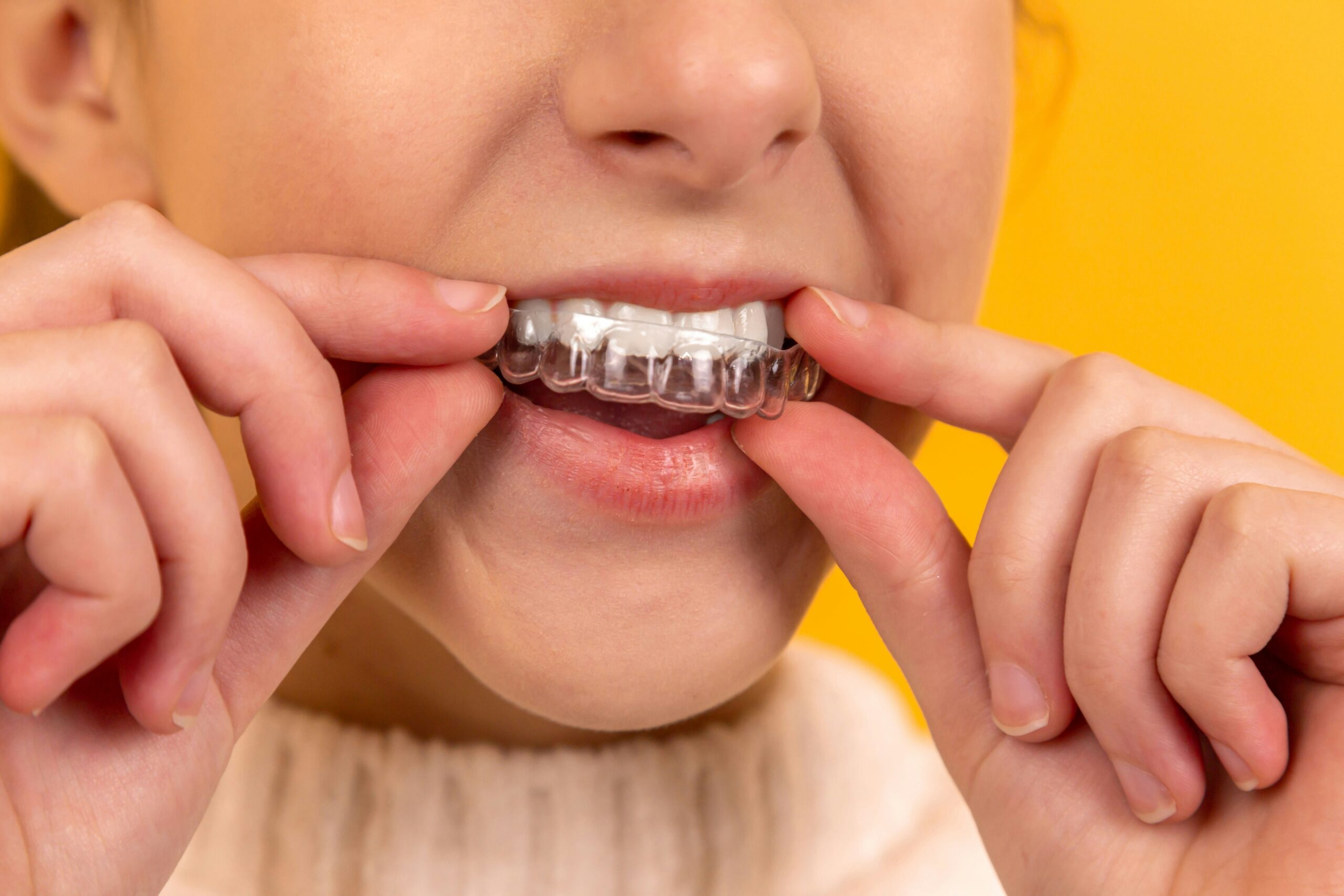
In situations where more than half of a tooth’s biting surface has been damaged, an inlay or onlay treatment may be recommended to restore it to its correct function.
Inlays and onlays are tooth-coloured restorations that are customised for your tooth in a dental lab.
What is an inlay?
An inlay is placed inside the cusp tips or biting surface of a tooth. Like a filling, it is bonded permanently to the tooth.
What is an onlay?
An onlay is more extensive than an inlay, extending over the cusps of the tooth to cover the entire chewing surface. It is an excellent alternative to a crown when a tooth has less extensive damage.
How will I know which treatment is right for me?
A consultation and exam with one of our dentists will determine whether an inlay or onlay treatment is suitable for you.
Your dentist will assess the extent of the damage, the strength of the remaining tooth, and your long-term oral health.
When Are Inlays and Onlays Recommended
Inlays and onlays may be suitable if you have:
- Moderate tooth decay
- A large or failing filling
- A cracked or weakened tooth
- Damage that does not require a full crown
They offer an effective balance between strength and preserving your natural tooth structure.
The Inlay and Onlay Procedure in Chingford
Assessment and Preparation
The damaged or decayed portion of the tooth is carefully removed, and the tooth is prepared for the restoration.
Impressions and Design
An impression or digital scan is taken to create a custom-made inlay or onlay in a dental laboratory.
Temporary Protection
A temporary filling may be placed to protect your tooth while your restoration is being made.
Final Placement
The completed inlay or onlay is securely bonded to your tooth and adjusted to ensure a comfortable fit and natural bite.
Benefits of Inlays and Onlays
- Stronger than standard fillings
- Preserve more natural tooth compared to crowns
- Natural tooth coloured appearance
- Custom fit for improved comfort
- Long lasting with proper care
They are designed to restore both strength and function while maintaining a natural appearance.
Inlays and Onlays vs Fillings and Crowns
Inlays and onlays fall between fillings and crowns in terms of how much of the tooth they restore.
- Fillings are used for smaller areas of damage
- Inlays and onlays are suitable for moderate damage
- Crowns are recommended when most of the tooth structure is compromised
This makes inlays and onlays a more conservative option when appropriate, as they preserve more of your natural tooth.
How Long Do Inlays and Onlays Last
With good oral hygiene and regular dental check-ups, inlays and onlays can last many years. Their longevity depends on factors such as bite pressure, oral habits and the overall condition of the tooth.
Why Choose Apolline Dental for Inlays and Onlays in Chingford
- A conservative approach focused on preserving your natural tooth
- High-quality materials and expert laboratory craftsmanship
- Precise fit for a comfortable, natural-looking result
- Careful, personalised treatment planning
- A trusted dental practice in Chingford
Our aim is to restore strength and function while keeping as much of your natural tooth as possible.
Book Inlays and Onlays in Chingford
If you have a damaged or weakened tooth, contact Apolline Dental in Chingford to arrange a consultation and discover whether an inlay or onlay is the most suitable option for your needs.
Frequently Asked Questions
They are often stronger and more durable for larger areas of damage. Your dentist will recommend the most suitable option for your specific needs.
Yes, they are tooth-coloured and carefully designed to blend in with your natural teeth.
The treatment is carried out under local anaesthetic, so it is generally comfortable.
Typically, two visits are required – one for preparation and one for placement.
In some cases, yes. Onlays may be used when there is enough healthy tooth structure remaining to avoid a full crown.
Maintain good oral hygiene, avoid excessive force on the tooth, and attend regular dental check-ups.